Fluffy reports, CBAMs expanding and a cool space

In this issue:
Fluffy reports
Corporate sustainability reporting is getting fluffier according to the University of Chicago Law School after analysing 15,000 disclosure statements from over 2,000 companies during the period 1998 to 2023. While having more companies reporting on sustainability has to be a good thing, they found statements from more recent reports are less committal than they used to be. Working with a “fluff” ratio which considered loose or weak statements lacking quantitative commitment against the number of total statements, they found reports are now significantly more fluffy than they used to be, a significant inflection point arising around 2015.
Border carbon adjustments update
Europe has led the way on border adjustments to account for emissions but other countries could soon follow suit according to a new report from the International Institute for Sustainable Development. The UK’s CBAM has been widely publicised as coming into force at the start of 2027 and Australia is expected to introduce a mechanism for certain products following recommendations from its Carbon Leakage Review. Other countries that have either introduced mechanisms or are expected to do so soon include Serbia, Norway, the US, Türkiye and Chinese Taipei.
Fleets turning backs on ICE vehicles
We have seen many stories in recent months about how EV sales are growing, especially on the back of the Iran conflict. However, certain corporates were leading the way, even before the huge hikes in oil prices we’ve seen recently. Climate Group’s EV100 initiative is reporting 70% of its members purchased no new ICE vehicles in 2025 and charger installations were up 63%. There are two EV100 members in NZ, so congratulations to Christchurch Airport and, perhaps, Mercury. Mercury didn’t submit a return for last year, so we’re reserving the praise for now.
Plug and play hybrid heavy trucks
US company Revoy has just received funding to bring its electric insert to market. The battery units fit between the tractor and trailer of heavy trucks without any modifications. Revoy claims they are good for 320 kms on a 36 tonne truck, lower emissions by 85% and offer cost parity with pre-conflict (US) diesel prices. Revoy intends building swap stations for the battery units with a 5 minute switch-over time and is offering the units under a no upfront costs business model, the expectation is to take a share of the diesel cost saved. Although, we have to say, we wouldn’t fancy reversing it.

SAF plant costs slashed 50%
That’s according to the publicity from Lydian, which is bringing a modular SAF production platform to market. The PIVOT platform is claimed to reduce plant costs by 50% and lifecycle emissions by 95%. It is factory built, rather than bespoke, and designed to operate on intermittent renewables.
A lightbulb moment
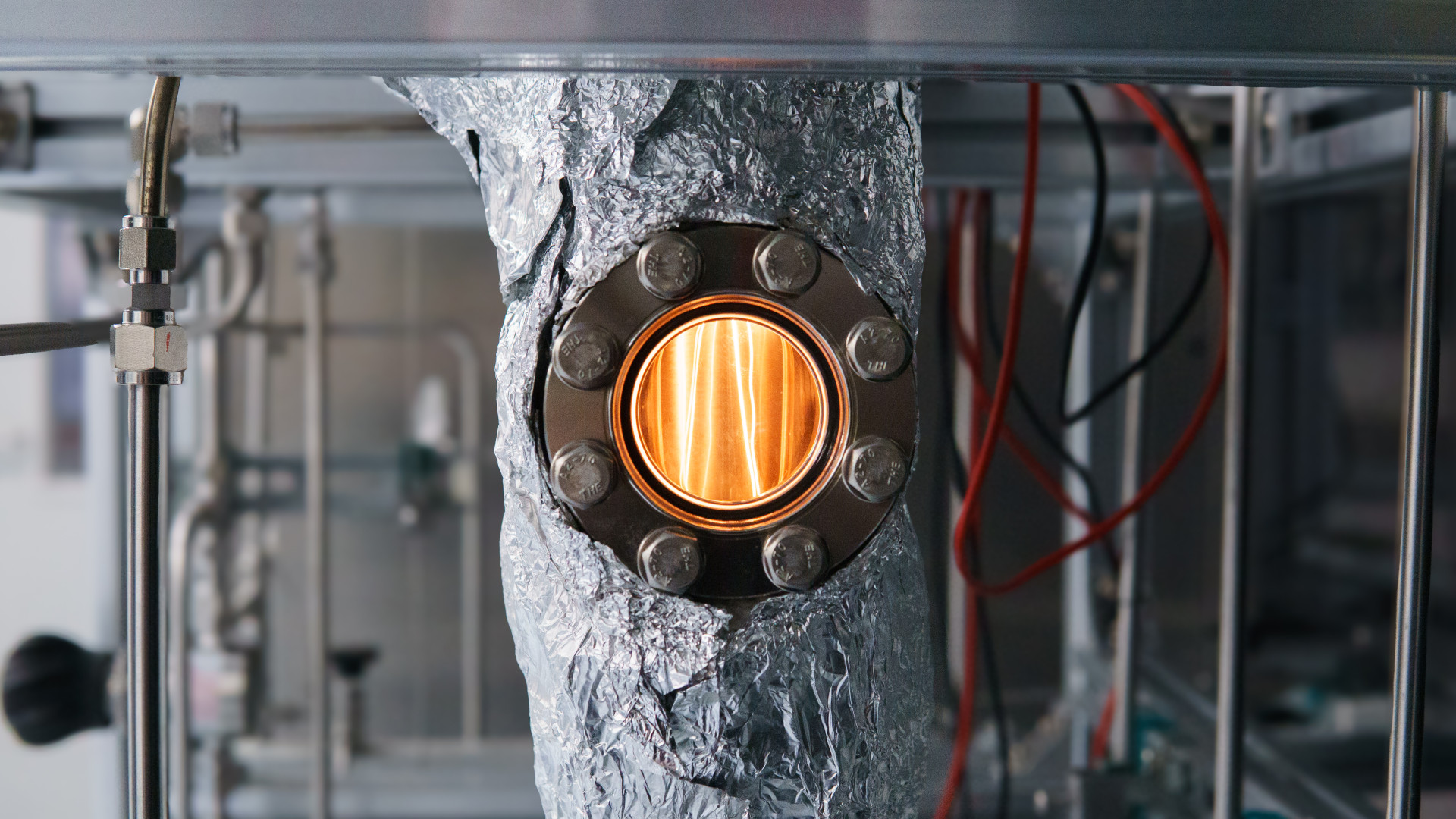
While incandescent light bulbs have been out-dated for their original purpose for years, they can at least still provide inspiration for innovation, in this case an efficient chemical reactor that can help reduce emissions in at least three important areas. Scientists from the National University of Singapore have developed the reactor centred around a thin, electrically heated filament. The concentrated and focused heat removes the need to heat a much larger area, as is normally the case, and can run on renewable electricity rather than fossil fuels. Applications demonstrated so far include converting ammonia into hydrogen, recycling plastics and converting methane into valuable chemicals.
Only in Japan
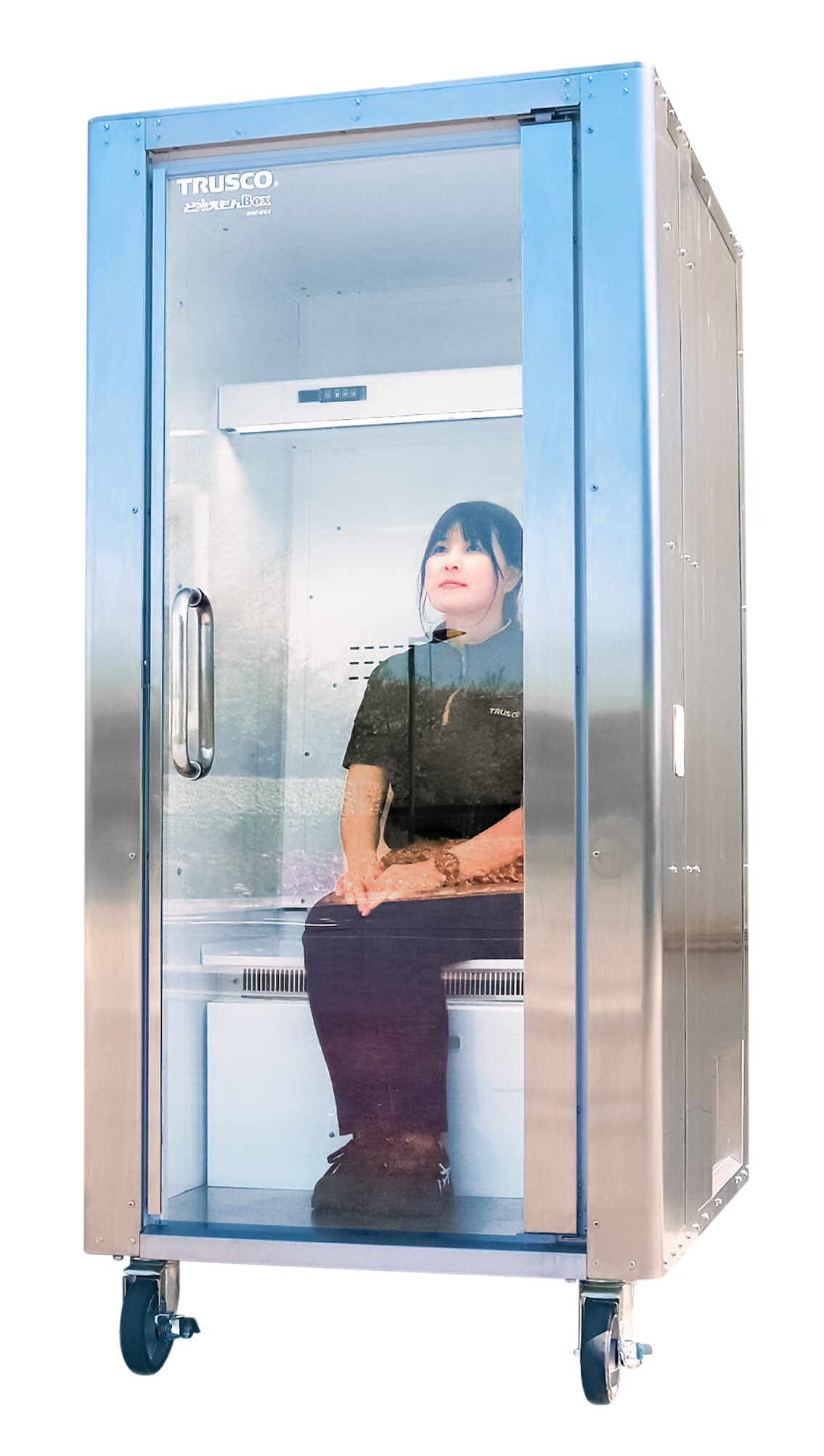
The Japanese are renowned for smart, some might say bizarre, inventions. They even have a word for it – chindogu. The latest is a mobile, person sized fridge to combat ever increasing and uncomfortable temperatures. The Dohiemon Box from Trusco sells for ¥1.5m, around NZ$16,000.