
Storage charging ahead, biofuel market exploding and a cold coffee winner

In this issue:
Storage charging ahead
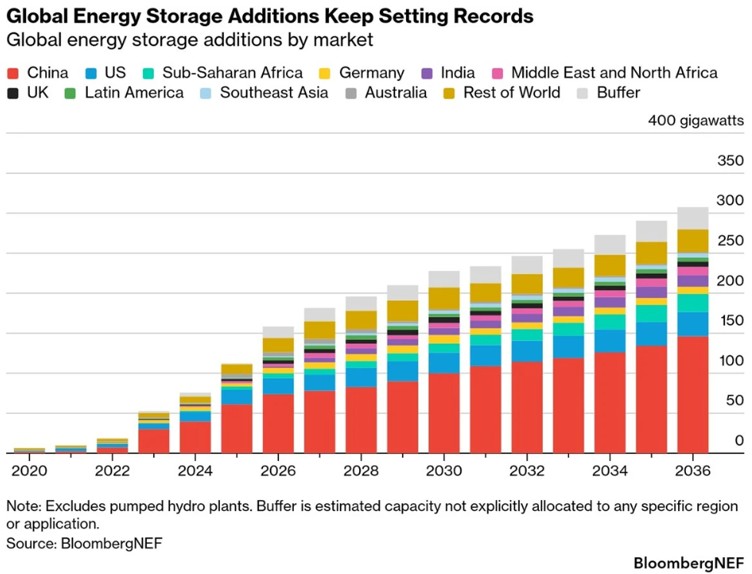
A new report from BloombergNEF reveals new energy storage installations (excluding pumped hydro) in 2025 were up 40% on the previous year, hitting 112GW for the year, the first that has exceeded the 100GW threshold. Predictions for 2026 are equally booming with 158GW of storage expected, again topping 40% growth. China accounted for 54% of new capacity, followed by the US. The report suggests installations will be around 308GW a year by 2036.
Biofuel market set to expand
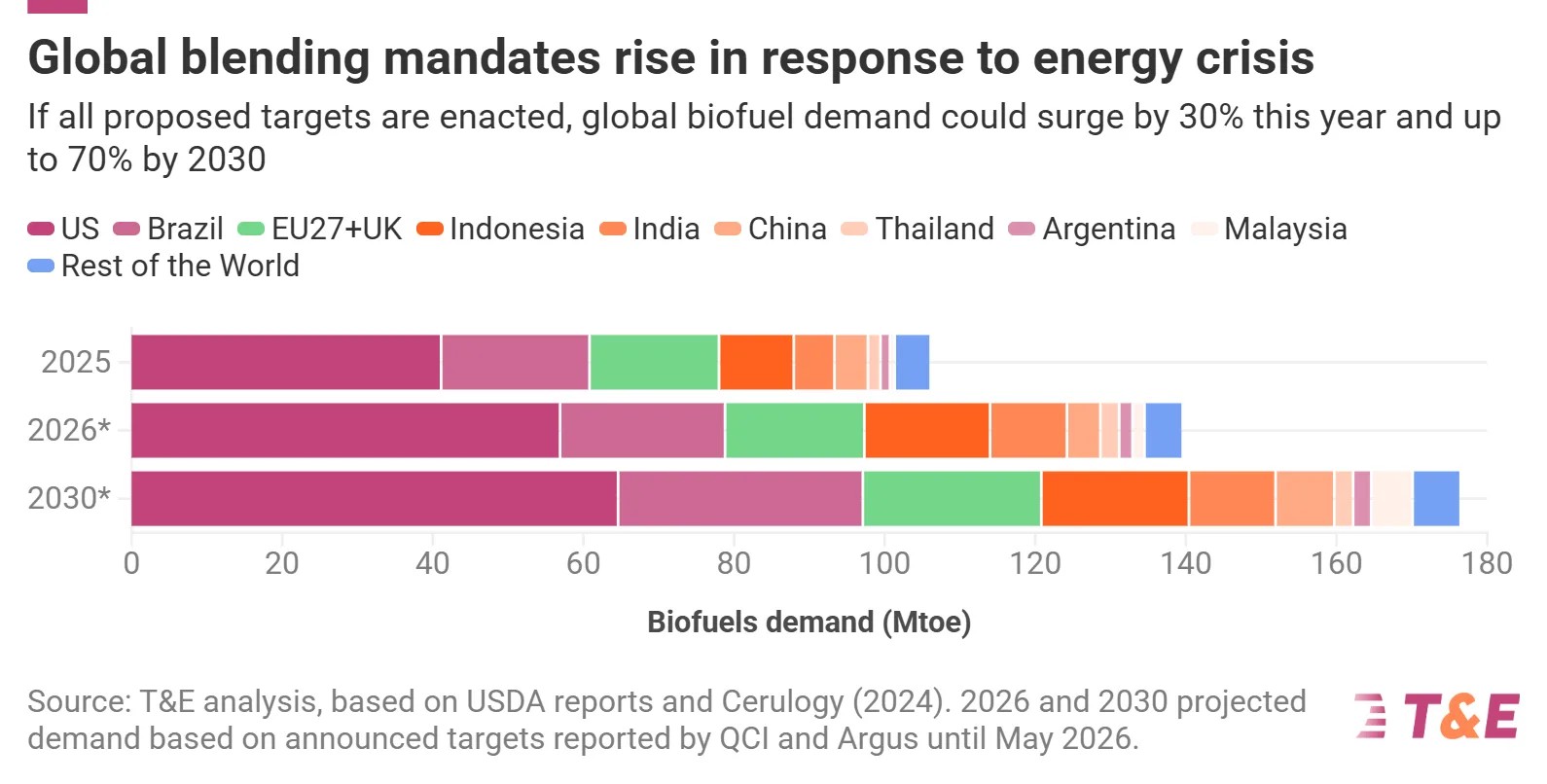
The Iran conflict is predicted to see a major increase in demand for biofuels on the back of requirements for higher proportions in blended fuels. Demand is likely to be up 30% this year according to a new report from Transport & Environment, with an increase of 70% predicted by 2030. The knock on effect could be higher food prices as biofuels compete for feedstock and fertilisers – similarly impacted by the conflict.
Richest 0.01% accumulating $2.4 trillion in climate debt each year
The richest 0.01% of the world’s population is accumulating debt to the climate of around US$1.4 trillion (NZ$2.4trn) a year according to Greenpeace. The numbers, based on 2022 data, break the deficit down into consumption and investment activities with consumption activities adding up to US$405 billion (NZ$700bn) and investment activities totalling US$992bn (NZ$1,715bn).
COP31 to focus on electrification and waste
It’s that time of the year when COP talk starts to ramp up, again with the precursor conference in Bonn setting the scene for what we can expect later in the year. This year, the focus is set to be on electrification with a target of growing electricity’s total share of the energy mix from 20% to 35% over the next decade. Also announced were targets to halve the growth in global waste and cut energy consumption intensity in buildings by at least a quarter, all by 2035.
A new lease of battery life
We all know reuse is preferable to recycling and despite major advances in EV battery recycling in recent years, the process still involves smashing them up and either, chemically picking through the bits or blasting them with extreme heat to extract the minerals, which are then used to make new batteries. But scientists at Cornell University have come up with a method that allows the batteries to be chemically washed without dismantling, leaving them ready for reuse. The team is claiming 95% restoration and a 56% cost saving relative to recycling.
Cool coffee saves 75% of energy
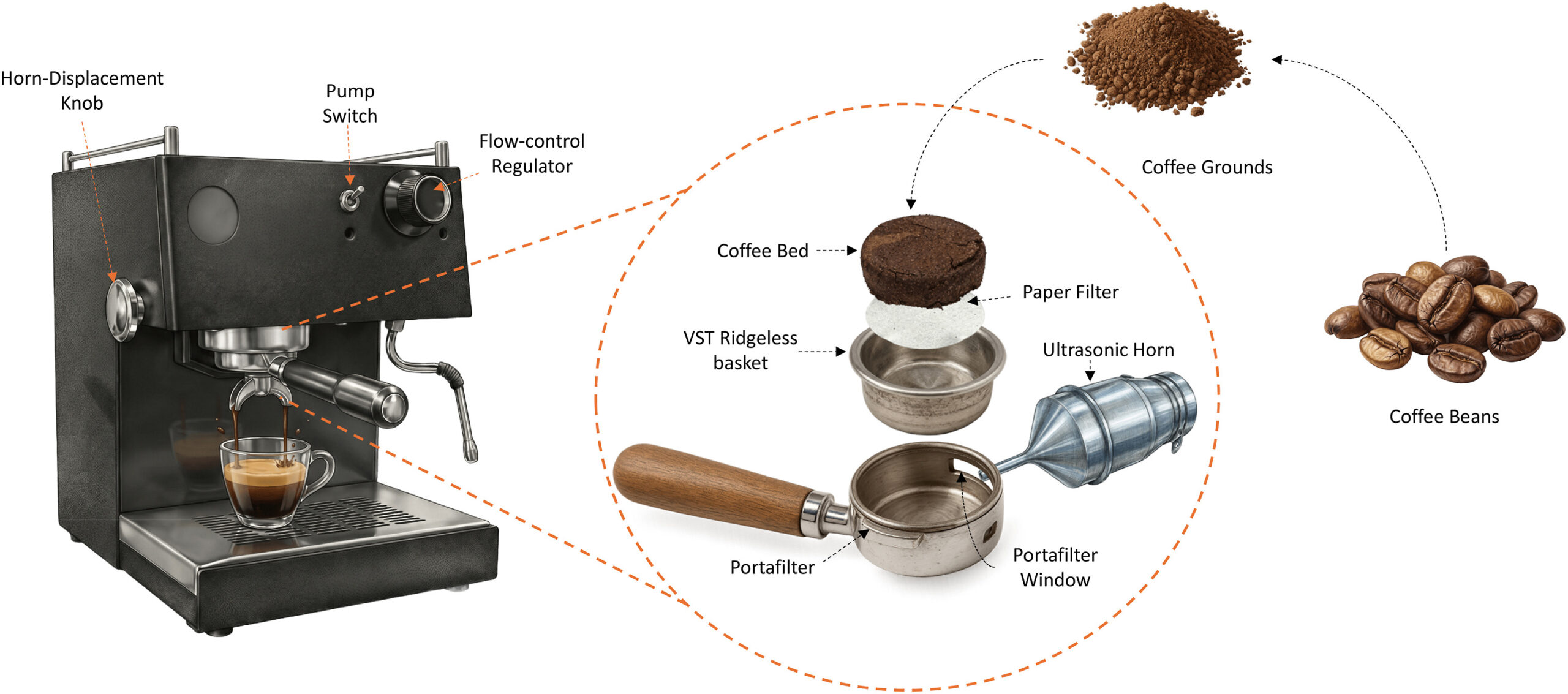
The origin of the flat white may be hotly disputed between New Zealand and Australia but there can be no doubt the Aussies may have created the latest breakthrough in brewing the valuable bean. A team of scientists from UNSW and the University of Sydney have developed a technique to extract the flavours at room temperature using ultrasound, meaning the hot water temperatures and pressures are not needed, saving around 75% of the energy. The process takes a bit longer, at 2-3 minutes, and is not suitable for your local café pumping out warm beverages but could be a gamechanger for mass produced canned or refrigerated products.
Did you know …..
Australia is now the third largest market for battery energy storage? While China and the US are still bigger markets (see above), the Australian government’s Cheaper Home Battery Scheme has seen 12GWh of domestic batteries installed in less than a year, reducing bills, increasing resilience and saving emissions.