Energy independence, international carbon pricing and more on firmed renewables

In this issue:
Is international carbon pricing a step nearer?
China and Europe have forged a new alliance on carbon pricing. The new accord looks to align the systems that support regional carbon markets and while prices in them remain disparate, coordinated systems would smooth a move towards a global market.
62% of cities impacted by extreme weather
That’s according to a new report from CDP, which goes on to say nearly half the “subnational governments” returning data reported budgetary constraints are limiting adaptation while 60% indicate they have unfunded adaptation needs. The corporates in the survey are projecting US$900 billion (NZ$1,516bn) in future losses, more than half of which are expected to arise from flood risk.
Energy independence
The King’s Speech, the event that marks the state opening of parliament each year in the UK, included a commitment to introduce an Energy Independence Bill. Precise details on the definition of independence are yet to emerge but the focus will be on building renewables, along with supporting infrastructure, to reduce dependence on imported fuels while also reducing bills. We have an election this year and such a manifesto promise would combine foresight with effective risk management. What are the chances?
Firmed renewables (1)
Following on from last week’s story about firmed renewables being cheaper than fossil fuelled generation, a report released this week by Aurora Energy Research indicates the number of renewables projects with paired batteries in Europe will expand 450% by 2030. The report predicts the pairing of storage with renewables will become standard practice as generators seek to evade negative pricing, which is on the rise across the continent.
Firmed renewables (2)
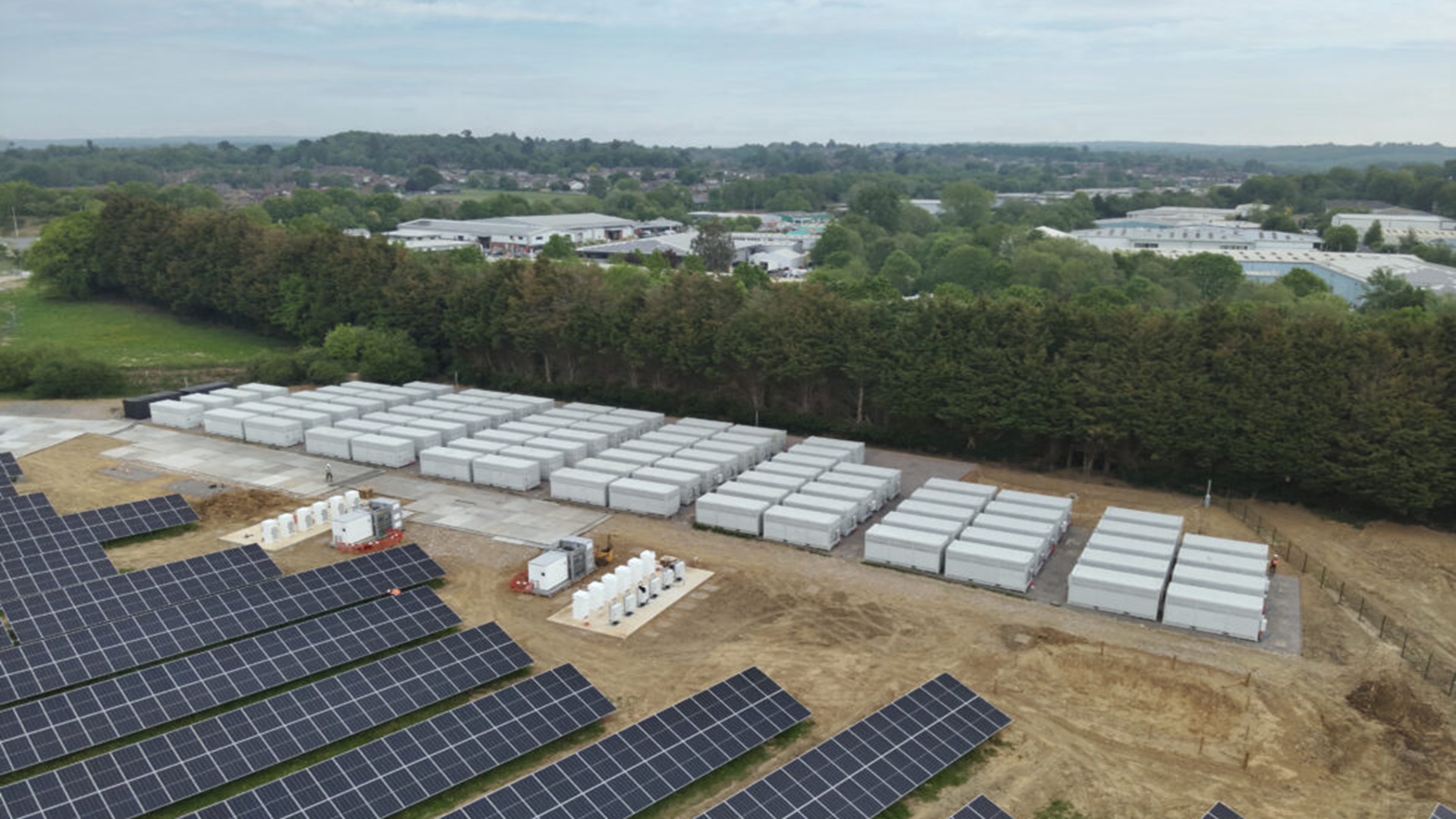
On the same topic, a new 20MWh facility in Copwood, East Sussex will be aiming to prove the efficacy of pairing. However, the most interesting thing about the facility is it will be Europe’s largest vanadium flow battery setup. The facility marries a 3 MW solar array with 90 vanadium flow batteries to provide long duration storage. The facility will be able to provide power to 3,000 homes, 24 hours a day.
Did you know ….
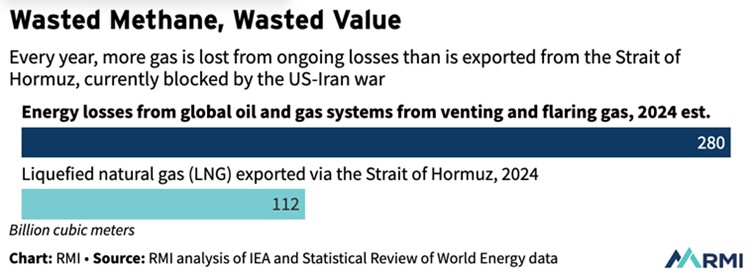
The amount of gas wasted each year is more than twice the amount shipped through the Strait of Hormuz – even when it was fully open?