
Climate anxiety, sodium storage comes of age and the architecture of ants

In this issue:
European heatwave temperatures impossible 50 years ago
World Weather Attribution is placing blame for the current European heatwaves very firmly at the feet of fossil fuels. An analysis of the three hottest days in the worst affected areas and 19 capitals against comparable conditions of weather circulation for the severe heatwaves of 1976 and 2003 indicate a comparable heatwave in June would have been about 3.5°C cooler during the day in 1976 and about 2°C cooler in 2003. Temperatures experienced recently would have been about 10 times less likely in 2003 and virtually impossible in 1976. In western Europe, hottest daily temperatures are warming at about triple the rate of global warming and night time temperatures at about twice the rate.
US pressures World Bank to drop targets
The US Government has, again, put the brakes on global climate mitigation and adaptation by squeezing the World Bank into dropping its climate financing targets. While the Bank’s Climate Change Action Plan remains in name, its target of devoting 35% of lending resources to climate projects and its goal of steering 45% of its annual lending resources to projects that feature climate co-benefits have been abandoned.
Renewables cover electricity demand growth
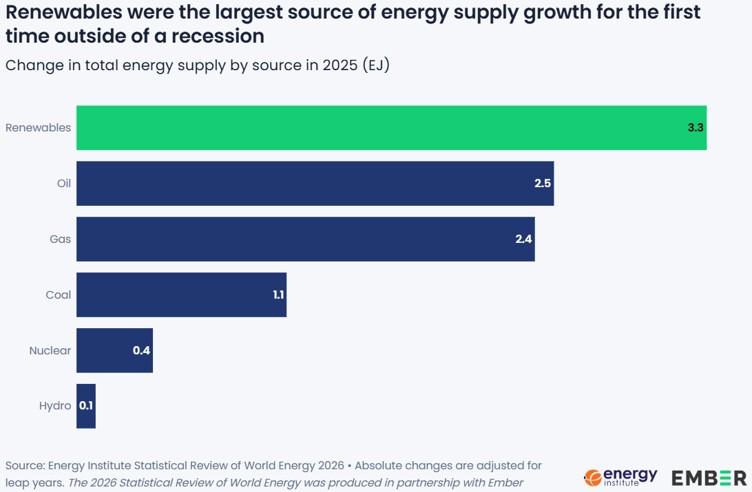
The 2026 Statistical Review of World Energy produced by Ember, KPMG, Kearney and the Energy Institute tells us global electricity demand increased by 3% in 2025, while energy (note, not electricity) supply grew by 1.7%. Renewables dominated the growth in supply with solar accounting for 71% of the renewables growth. Solar experienced 30% growth over the previous year.
Renewable costs continue to fall
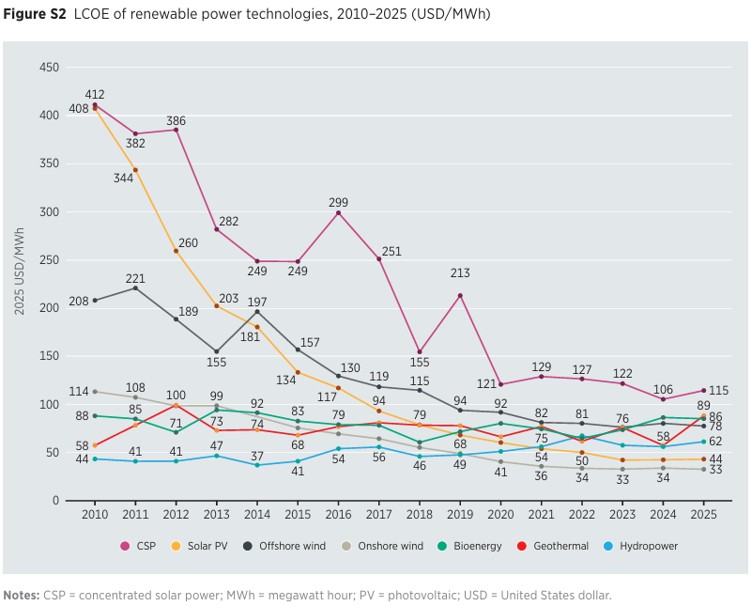
Meanwhile IRENA is reporting the continuing fall in renewables costs, across the board of technologies. Over the 15 years 2010 to 2025, the global weighted average cost of offshore wind has decreased 63%, of onshore wind 71%, all outshone (p.i.) by a solar cost decrease of 89%.
I’m worried about it but you aren’t
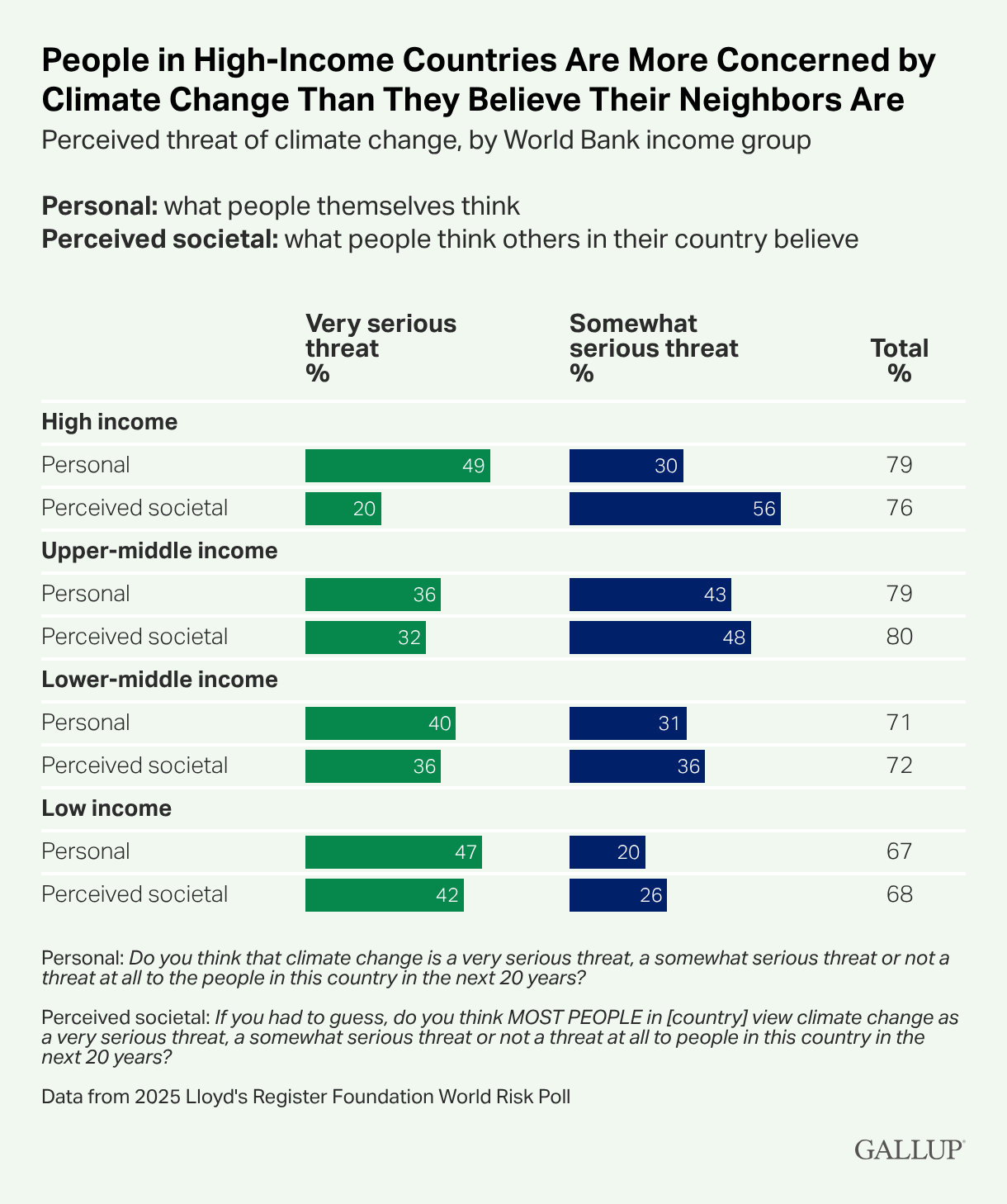
That seems to be the general conclusion on anxiety over climate change in wealthier countries. In a recent poll published by Lloyd’s Register Foundation, 49% of people categorised in this group believe climate change is a “very serious threat” and yet only 20% believe their neighbours carry the same level of concern. This wealthier group shows the highest level of personal concern, although it has decreased a little, down from 54% four years ago. Other income groups show less disparity between what they think and what they perceive their neighbours think. Overall, concern is increasing with 75% of people across income levels seeing climate change as at least a “somewhat serious” threat. The poll covered 140 countries.
Sodium storage hitting the shelves
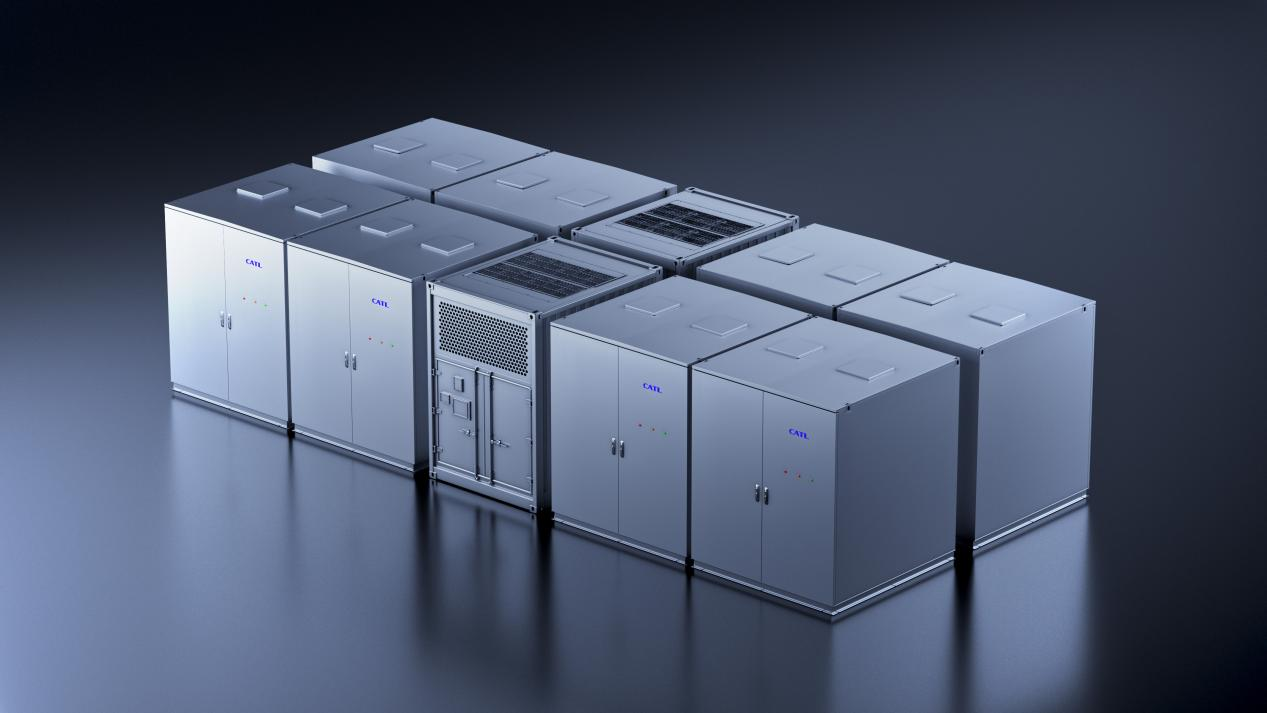
CATL has announced it will be delivering sodium storage batteries to the global market from June 2027 after claiming its TENER as the world’s first field-validated sodium-ion system and ready for market. Sodium is more abundant and less temperature sensitive than lithium, making the units cheaper and more stable. The modular units weigh around 42 tonnes and store 30MWh of electricity. CATL expects to have shipped 1Gwh of storage using this technology by the end of the year.
Carbon negative building mix
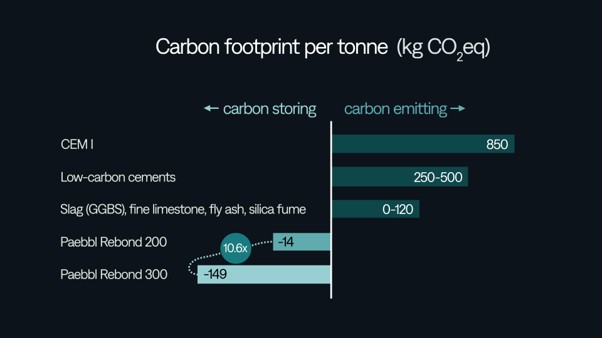
Claiming it as the world’s first carbon negative construction material, Dutch company Paebbl, has just launched its Rebond 300 product. The product is not a cement but a supplementary cementitious material (SCM) that is mixed into standard concrete at a proportion of up to 30%. The material has a verified footprint of -149 kg CO₂e per tonne and its use can reduce embodied carbon in the mixed concrete by 40%.
Insect inspiration
Indian architect Kaushal Tatiya has designed a house that stays cool in the country’s hot climate with no air conditioning. The secret – borrowing from the expertise of ants. Nicknamed the Anthill, the building relies on cross ventilation, thermal mass and shaded courtyards to keep temperatures down, taking its inspiration from the technically advanced, thermally regulating structures created by the humble insects.