Climate inaction to hit your wallet, transport innovations and do we need to say it again?

In this issue:
Do we really need to say it again?
Energy efficiency is the first fuel. A new report from the Energy Transitions Commission reminds us of the significance of efficiency. According to the report, the uptake of proven solutions could reduce the energy demand of heavy industry and carbon intensive sectors by 45% by 2050, while saving US$15 trillion (NZ$25.5trn) of energy investment, as well as large infrastructure investments.
Climate inaction to hit your wallet
That’s the conclusion of a new report from the Grantham Institute. In it, the authors argue the average person will see an income reduction of up to 15% by 2050 because of (global) government inaction. Climate change is also predicted to increase unemployment and inequality and it goes on to suggest remediation of climate change induced issues will absorb as much as one-fifth of national governments’ welfare budgets.
Companies with Science Based Targets rising rapidly
The just published SBTi Trend Tracker 2025 tells us the number of companies with approved science-based targets was up 40% for the year and to stand at 9,764 at the end of the year. It is now believed to exceed 10,000. The number of companies with validated net zero targets increased even more quickly, up 61% in the year.
Does anyone gain from the Iran conflict?
Strangely, the answer might be yes with predictions of boom years ahead for China’s renewables industry. The drive to get off oil has seen a massive uplift in interest in renewable generation and EVs around the world. China accounts for 70% of global EV production and 85% of battery production. In March, the value of CATL shares increased 24%. BYD shares were up 11% in the month. Oh, and then there are the arms companies, they’d gain too.
Ammonia powered vessel hits the seas
HD Hyundai Heavy Industries is claiming the accolade of launching the world’s first ammonia powered vessels, which enjoyed their naming ceremony last week. The vessels, named Antwerpen and Arlon, are the first of four which can run entirely on ammonia, with zero carbon emissions, although they have been built as dual fuel for flexibility.
Battery cruise ships coming
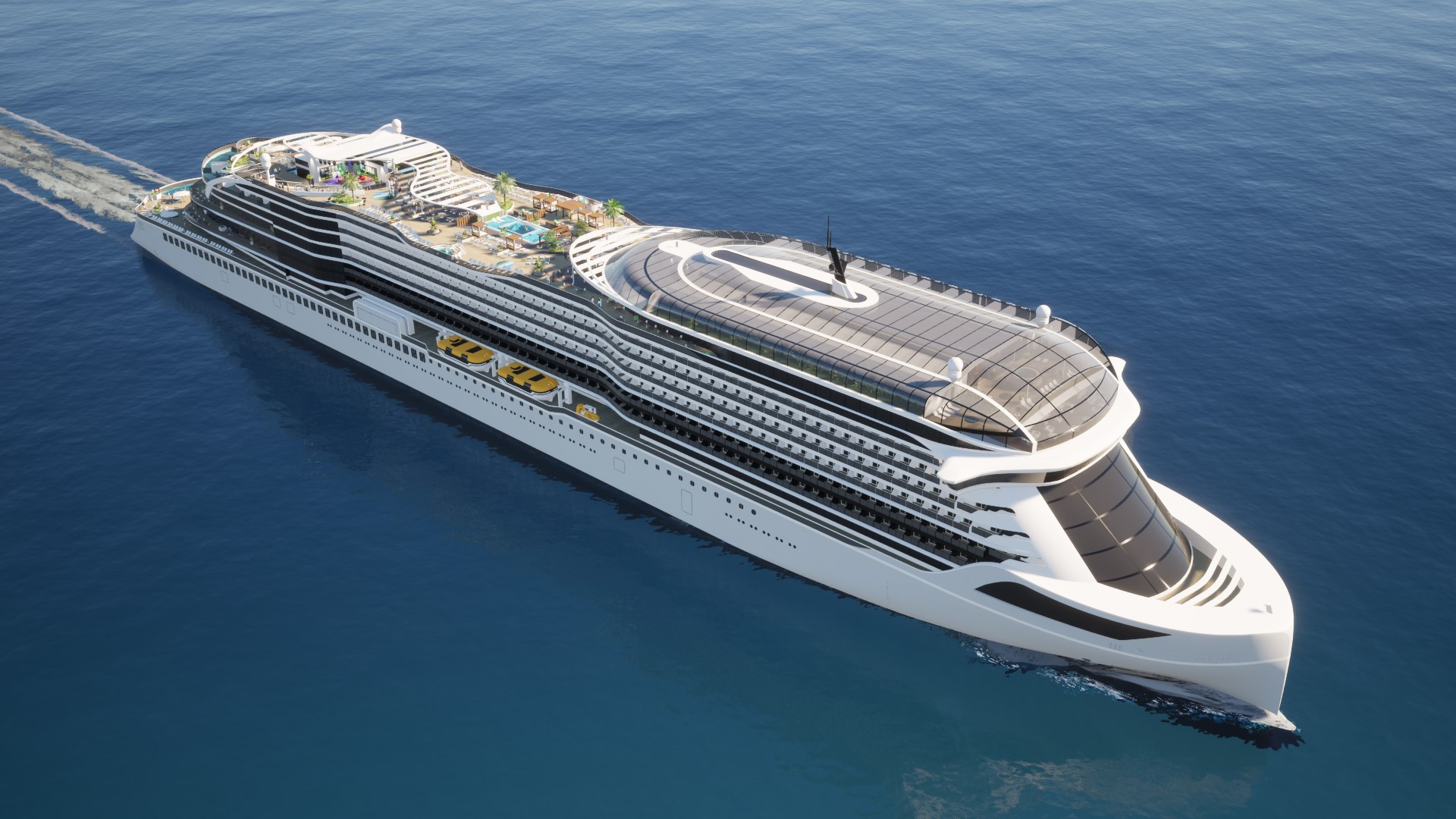
Meanwhile, German firm Meyer Werft has published its concept for a 100% battery powered cruise ship. The ship is 275 metres long, has a gross weight of 82,000 tonnes and can carry over 1,800 passengers. Norwegian battery specialist Corvus Energy will supply the power system. The first of these vessels could be with us by 2031.
Light, reliable electric aviation motor
The Fraunhofer Institute for Integrated Systems and Device Technology has released details of its new, electric aviation motor. The motor can run at 21,000 rpm and generate 1,000hp from a unit weighing just 94Kg. The power to weight ratio of 8kW per Kg is at least 30% better than most, advanced electric aviation motors. For context, an EV typically has a power to weight ratio of 2-4kW/Kg. The 1,000hp is sufficient to power a regional aircraft, with a significant weight saving. The motor is built in four, independent sections meaning if one fails, the motor will still operate.
Solar airship sets records
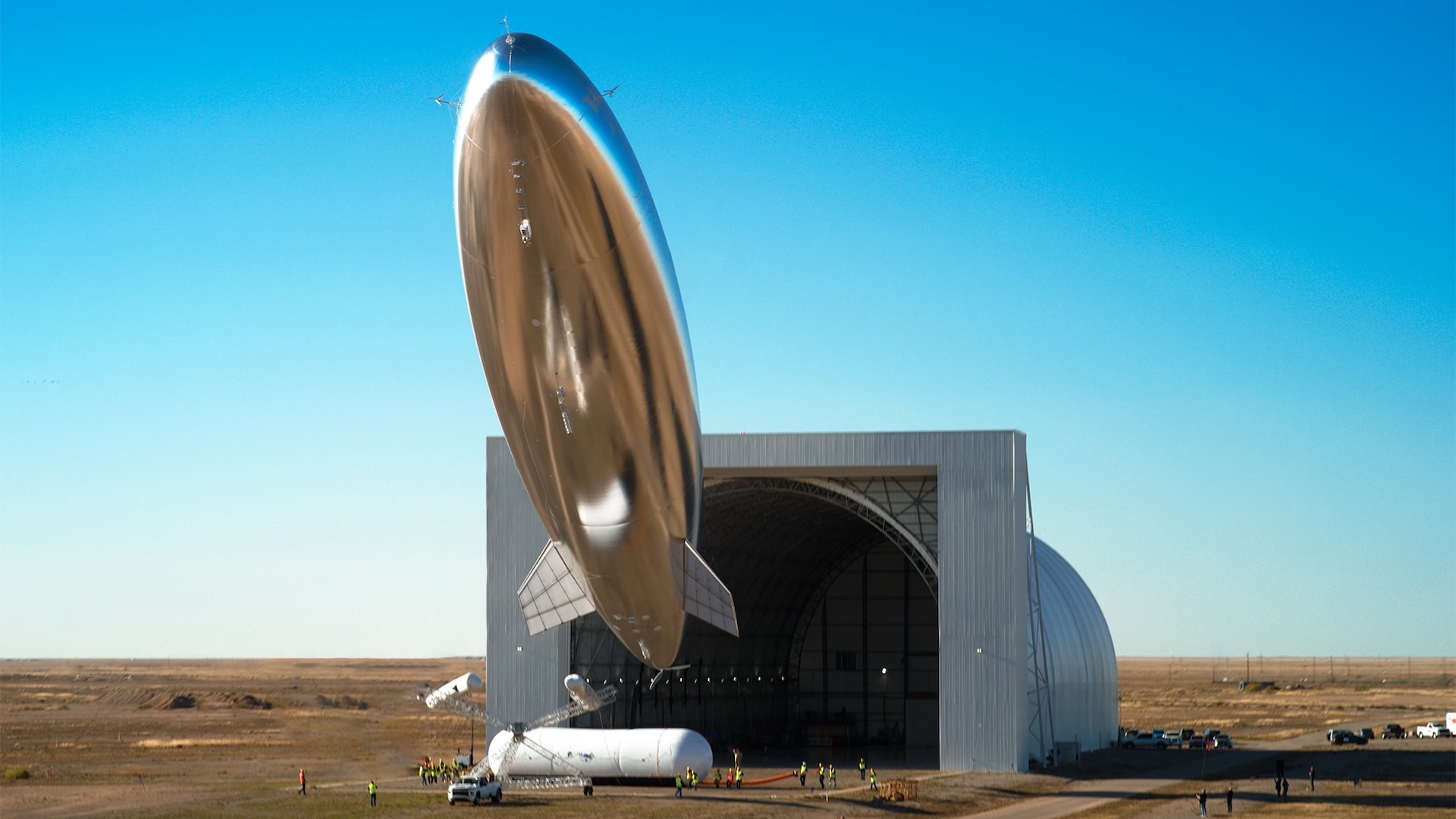
Sticking with low emissions aircraft, Sceye (pronounced Sky) has just completed a 12-day test flight of its solar powered airship. Intended as a telecommunications enabler for emergency and disaster response, the trial saw the airship travel 10,000 kilometres from New Mexico to the Brazilian coast at altitudes of up to 52,000 feet. Development is expected to see flights of several years at a time.